United States
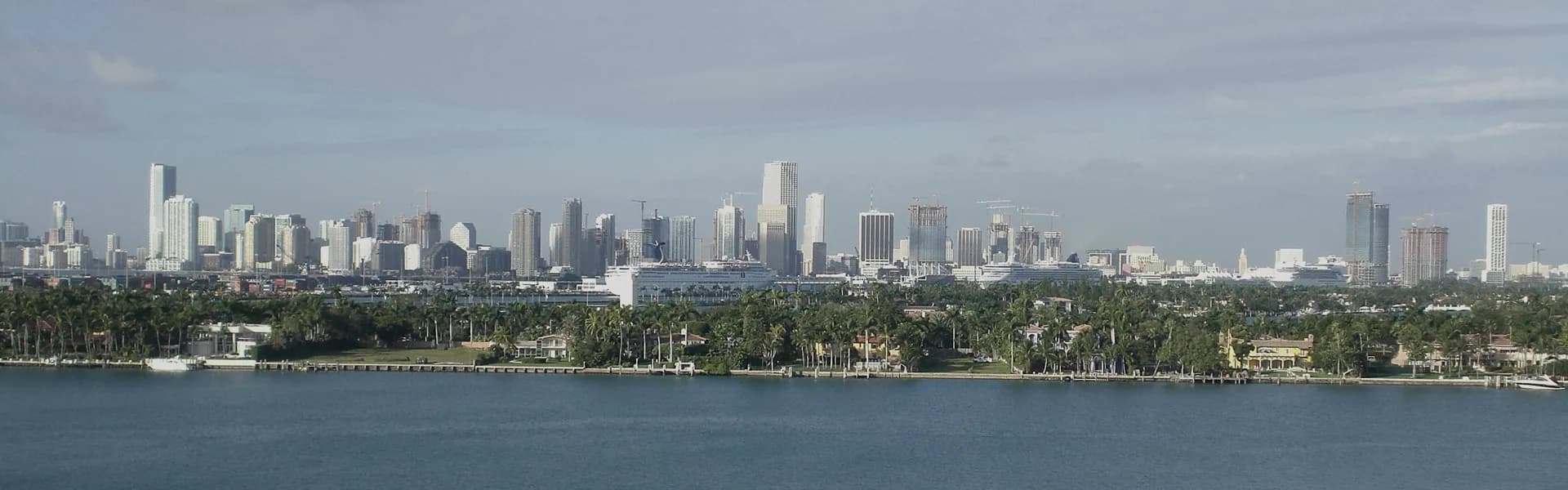
7 metros: DFW, Miami, Atlanta, Orlando, Tampa, Nashville, Las Vegas — yields 4.0–9.5%, zero state capital-gains tax in FL/TN/NV, strong legal protections
Currency Risk
USD
* Exchange rates shown for illustration only, based on ECB mid-market rate. Actual transactions may be subject to conversion fees.
The currency-risk and short-term-rental components of the CASABROVA Score are our editorial judgement, not measurements from source data. Assessment as of .
✅ Strengths
- ▸The covered Florida/Texas path supports remote foreign-buyer execution; ownership eligibility must be checked against the selected profile
- ▸100% remote purchase execution is practical through RON, LLC formation, EIN, online banking, ITIN planning and title-company workflows
- ▸Deepest residential market in the cohort, with foreign-buyer volume rebounding to $56B in 2025
- ▸DSCR and foreign-national lending can support 70-75% LTV without US credit history when the rental math works
- ▸DFW offers healthier rent-to-income economics, lower insurance costs than Florida, population-growth tailwinds and 6-8% gross-yield targets
- ▸Secondary Florida markets such as Tampa and Orlando add zero-state-income-tax exposure and stronger income math than overextended South Florida condos
- ▸USD-denominated assets create material exposure against the buyer’s home currency and require profile-specific FX modelling
⚠ Risks
- ▸FIRPTA remains a major exit-friction item: 15% gross sale withholding; any treaty treatment depends on the selected profile and Form 8288-B planning is needed
- ▸South Florida insurance, climate exposure, HOA costs and post-Surfside reserve rules can compress yields by 1.5-2.5 percentage points
- ▸Miami condos are in a correction/oversupply phase; leverage in weak buildings can turn a trophy allocation into a negative-carry position
- ▸Texas property taxes, MUD taxes and no non-homestead cap can erode income, especially if reassessments reset higher
- ▸Married buyers in Texas need profile-specific community-property planning before acquisition because spouse rights may attach regardless of funding or title
- ▸STR rules are local and uneven; Tampa, Orlando, Nashville, Atlanta and Las Vegas-area submarkets require asset-by-asset license review
- ▸DSCR rates, reserve requirements, USD/home-currency risk and US estate-tax exposure require profile-specific structuring before deposit
CASABROVA Verdict
The United States is a Tier 1 CASABROVA market because it combines unmatched market depth, USD liquidity and remote-closing infrastructure. The opportunity is selective rather than generic: DFW/Texas offers the cleanest risk-adjusted entry, while Tampa/Orlando and other tax-efficient growth metros can work asset by asset. Miami remains liquid and globally relevant, but condo leverage should be avoided unless insurance, HOA reserves and rent burden are fully modelled.
Profile context: Israeli Investor. The displayed treaty, tax and score data are selected for this profile.
Israeli: Profile adjusted score 70.2 (rank #9).
Recommended Strategy
Build the transaction before bidding: use a US LLC, EIN, ITIN/FIRPTA planning, Waltz/Relay-style banking, and DSCR pre-approval. Prioritize DFW for balanced rent-to-income, lower insurance, and 6-8% gross-yield targets; use Tampa/Orlando for Florida income exposure with less drag than Miami; treat Miami as a tactical cash-only allocation in strong buildings. Before deposit, clear local STR rules, Texas community-property issues, estate-tax structure, HOA reserves, insurance, and exit withholding.
Based on CASABROVA Waves 1–8, current to July 1, 2026. Not financial or legal advice.